I and my partners at infinityfree.com are hosting a web app. The web app enables players to do the following.
Select a family of table card games to play from a group of two families consisting of the Finnish 27™ and Big Slick™.
Select a game to play from a group of five games belonging to the selected family.
Play the selected game.
The web app is hosted on a service infinityfree.com. For that reason, people can now play with this app without the need for downloading an app to your desktop or mobile devices. I thank my partners at infinityfree.com for making this possible.
The predetermined set of game rules are easily understood. 21-24-27 is easy to play.
The players agree. Under certain circumstances, the dealer does not consult with the player for a decision on how to play the player’s hand. The player must play the player’s hand a certain way.
This agreement enables the players. The dealer can conduct 21-24-27 games at a faster pace than would otherwise be possible. Thereby, making the game more profitable for the host. The players can enjoy playing a fast paced game without suffering the unnecessary burden of consulting with the dealer for every decision on how to play the player’s hand.
The 21-24-27 game is mostly invulnerable to players who employ card-counting and betting strategies.
Method Of Play
21-24-27 is a comparing card game belonging to the Finnish 27™ family of table-card games.
21-24-27 is easy to play. The method of play can be broken down into a series of steps.
The first step is. The host furnishes a table, a dealer, chips, and at least one deck of playing cards and a player buys chips and sits down to play. All players agree to play as specified by the predetermined set of game rules. The predetermined set of game rules specify. A standard deck of playing cards consists of thirteen ranks of each of four French suits plus two jokers for a total of fifty four cards.
The next step is. A player must place a game wager. Chips would most likely be used. Chips stand in for the value of the game wager. The player buys chips from the host. The player places the chips on the table.
Afterward, the dealer deals initial hands to designated spots on said table. The initial hands consist of a player’s initial hand and a dealer’s initial hand. Each initial hand consists of two cards. The two cards are dealt face up. That is. The two cards have front sides. The front sides bear markings. The markings indicate the ranks and suits of said cards. The markings are exposed and visible to players.
The knowledge of the ranks of said cards enables players. Players can determine the numeric values of said cards. Each joker has a value of 0. Each Ace has a value of 1 or 14. Each King has a value of 13. Each queen has a value of 12. Each Jack has a value of 11. Each of the remaining cards bears a number and suit. The number represents the rank of the card. The ranks are 2, 3, 4, 5, 6, 7, 8, 9, and 10. Each of the remaining cards bears a number of pips. The number of pips is equal to the number of the rank. Each of the remaining cards has a value. The value is equal to the number of the rank and the number of pips.
Comparing card games belonging to the Finnish 27™ family of table card games can be played with any style of markings including the ubiquitous Anglo-American style of markings. However, the Anglo-American style of markings uses the letters J, Q, K, and A on the Jacks, Queens, Kings, and Aces respectively. The Finnish style of markings uses the numbers 11, 12, 13, and 1 on the Jacks, Queens, Kings, and Aces respectively. The Finnish style of markings best suggests the numeric values of the cards in comparing card games belonging to the Finnish 27™ family of table-card games. For that reason, the Finnish style deck of cards is preferred.
Knowledge of the numeric values of the cards and simple addition enables the players. The players can determined the numeric value of the hand. The numeric value of the hand is also known as the hand total.
Let us suppose. A hand includes an ace. A value of 14 can be assigned to the ace without causing the value of the hand total to exceed 27. In that event, the players would agree. The ace is known as a high ace. The value of the high ace is 14.
Let us suppose. A hand includes an ace. A value of 14 can not be assigned to the ace without causing the hand total to exceed 27. In that event, the players would agree. The ace is known as a low ace. The value of the low ace is 1.
Let us suppose. A hand includes a high ace. In that event, the hand is known as a soft hand. The hand total is known as a soft total.
Let us suppose. A hand does not include a high ace. In that event, the hand is known as a hard hand. The hand total is known as a hard total.
The dealer’s initial hand consists of two cards. The two cards are dealt face up. The act of dealing both cards in the dealer’s initial hand face up is known as double exposure. Double exposure is an attribute of the 21-24-27 game. Double exposure offers the players an opportunity. The players can determine the numeric values of the cards in the dealer’s initial hand. Knowledge of the numeric values and the use of simple addition enable players. Players can determine the dealer’s hand total. The dealer’s hand total is the hand total of the dealer’s hand.
Let us suppose. The dealer deals an initial hand. The initial hand consists of a high ace and a king in any order. In that event, the players would agree. The numeric values of the cards in the initial hand add to a hand total of 27. The initial hand is known as a Finnish 27 hand. The Finnish 27 hand is a predetermined-winning-complete hand. The dealer would immediately determine the outcome of the game.
Let us suppose. The player’s initial hand is a Finnish 27 hand and the dealer’s initial hand is not a Finnish 27 hand. In that event, the outcome of the game would be. The player’s Finnish 27 hand wins. The dealer would pay the player one to one odds on the game wager. The game would be over.
Let us suppose. The dealer’s initial hand is a Finnish 27 hand and the player’s initial hand is not a Finnish 27 hand. In that event, the outcome of the game would be. The dealer’s Finnish 27 hand wins. The dealer would collect the game wager. The game would be over.
Let us suppose. Both initial hands are Finnish 27 hands. In that event, the outcome of the game would be a stalemate. The Finnish 27 hands would tie. The dealer would return the game wager to the player. The game would be over.
Let us suppose. A Finnish 27 hand has not been dealt. In that event, the game would continue. The next step would be. The players take turns playing their hands. The player would go first. The dealer would determine whether or not. The dealer consults with the player for a decision on how to play the player’s hand. Let us suppose. The dealer does consult with the player for a decision on how to play the player’s hand. In that event, the player would have two options. The two options would be hit and stand. Let us suppose. The player decides to hit. In that event, the dealer would add one additional card to the player’s hand. Let us suppose. The player decides to stand. In that event, the dealer would add nothing to the player’s hand. The player’s hand would be complete.
Let us suppose. The player’s hand is complete. The player’s hand total does exceed 27. In that event, the player’s hand would be a predetermined-losing-complete hand. The outcome of the game would be the dealer’s hand wins. The dealer would collect the game wager. The game would be over.
Let us suppose. The player’s hand is complete. The player’s hand total does not exceed 27. In that event, the game would continue. The next step would be. The dealer would play the dealer’s hand. The players would agree. The dealer must play the dealer’s hand in accordance with a predetermined strategy. The predetermined strategy is.
Let us suppose. The dealer’s hand of cards does not include a high ace. The dealer’s hand of cards is a hard hand. The numeric values of the cards in the hard hand add to a hard total. The hard total is less than 21. In that event, the players would agree. The dealer must hit. The dealer would add one card to the dealer’s hand of cards.
Let us suppose. The dealer’s hand of cards does not include a high ace. The dealer’s hand of cards is a hard hand. The numeric values of the cards in the hard hand add to a hard total. The hard total is at least equal to 21. In that event, the players would agree. The dealer must stand. The dealer would add nothing to the dealer’s hand. The dealer’s hand would be complete.
Let us suppose. The dealer’s hand of cards does include a high ace. The dealer’s hand of cards is a soft hand. The numeric values of the cards in the soft hand add to a soft total. The soft total is less than 24. In that event, the players would agree. The dealer must hit. The dealer would add one card to the dealer’s hand.
Let us suppose. The dealer’s hand of cards does include a high ace. The dealer’s hand of cards is a soft hand. The numeric values of the cards in the soft hand add to a soft total. The soft total is at least 24. In that event, the players would agree. The dealer must stand. The dealer would add nothing to the dealer’s hand. The dealer’s hand would be complete.
Please understand. The predetermined set of game rules specifies three target values. The three target values are 21, 24, and 27. Some of the dealer’s hands are hard hands. That is. Some of the dealer’s hands do not include a high ace. The target value for the play of the dealer’s hard hands is a hard total of at least 21. Some of the dealer’s hands are soft hands. That is. Some of the dealer’s hands do include a high ace. The target for the play of the dealer’s soft hands is a soft total of at least 24. The dealer uses hand totals. The dealer determines the outcome of the game. The dealer compares hand totals to a target numeric sum of 27. The closest to 27 without going over wins, and ties are a stalemate. For that reason, the target numeric sum of the game is 27. The name of the game 21-24-27 denotes the specification of these three targets.
Let us suppose. The dealer’s hand is complete. The dealer’s hand total does exceed 27. In that event, the dealer’s hand would be a predetermined-losing-complete hand. The outcome of the game would be the player’s hand wins. The dealer would pay the player one to one odds on the game wager. The game would be over.
Let us suppose. The player’s hand is complete. The player’s hand total does not exceed 27. The dealer’s hand is complete. The dealer’s hand total does not exceed 27. In that event, the game would continue. The next step would be. The dealer would determine the outcome of the game. The dealer would compare hand totals to a target numeric sum of 27. The closest to 27 without going over would win, and ties would be a stalemate. Let us suppose. The dealer’s hand total is closer to 27 than is the player’s hand total. In that event, the outcome of the game would be. The dealer’s hand wins. Let us suppose. The player’s hand total is closer to 27 than is the dealer’s hand total. In that event, the outcome of the game would be. The player’s hand wins. Let us suppose. The dealer’s hand total and the player’s hand total are an equal distance from 27. In that event, the outcome of the game would be a stalemate.
The final step is. The dealer resolves the game wager. Let us suppose. The outcome of the game is the dealer’s hand wins. In that event, the dealer would collect the game wager. Let us suppose. The outcome of the game is the player’s hand wins. In that event, the dealer would pay the player one to one odds on the game wager. Let us suppose. The outcome of the game is a stalemate. In that event, the dealer would return the game wager to the player.
Optional Rules Speed Up The Pace Of Play
The act of consulting with the player for a decision on how to play the player’s hand takes time. Sometimes the correct decision is obvious. The act of consulting with the dealer for every decision on how to play the player’s hand would slow down the pace of play. It would put an unnecessary burden on both the player and the dealer. For those reasons, the players would agree. Under certain circumstances, the dealer does not consult with the player for a decision on how to play the player’s hand. The player must play the player’s hand a certain way. This agreement enables the players. The dealer can conduct 21-24-27 games at a faster pace than would otherwise be possible. Thereby, making the game more profitable for the host. The players can enjoy playing a fast paced game without suffering the unnecessary burden of consulting with the dealer for every decision on how to play the player’s hand.
It appears. In about 1 out of every 5 games, the cards in the dealer’s initial hand add to a hand total. The hand total is high enough. A target value for the play of the dealer’s hand has been met. Upon the dealer’s turn to play, the dealer will stand. The dealer’s initial hand is a complete hand.
Let us suppose. The dealer’s initial hand is a complete hand. In that event, the players would agree. Under certain circumstances, the dealer does not consult with the player for a decision on how to play the player’s hand. The player is required to play the player’s hand a certain way. Those certain circumstances and certain ways are.
Let us suppose. The dealer’s initial hand is a complete hand. The player’s hand total is less than the dealer’s hand total. In that event, the players would agree. The player’s hand total is not high enough. The player must hit. The dealer would not consult with the player for a decision on how to play the player’s hand. The dealer would add one card to the player’s hand.
Let us suppose. The dealer’s initial hand is a complete hand. The player’s hand total is greater than the dealer’s hand total. In that event, the players would agree. The player’s hand total is high enough. The player must stand. The dealer would not consult with the player for a decision on how to play the player’s hand. The dealer would add nothing to the player’s hand. The player’s hand would be complete.
Let us suppose. The dealer’s initial hand is a complete hand. The player’s hand is a hard hand. The numeric values of the cards in the hard hand add to a hard total. The hard total is at least 25. The hard total is equal to the dealer’s hand total. In that event, the players would agree. The hard total is high enough. The player must stand. The dealer would not consult with the player for a decision on how to play the player’s hand. The dealer would add nothing to the player’s hand. The player’s hand would be complete.
Let us suppose. The dealer’s initial hand is a complete hand. The player’s hand is a soft hand. The numeric values of the cards in the soft hand add to a soft total. The soft total is 27. The soft total is equal to the dealer’s hand total. In that event, the players would agree. The player’s hand total is high enough. The player must stand. The dealer would not consult with the player for a decision on how to play the player’s hand. The dealer would add nothing to the player’s hand. The player’s hand would be complete.
Let us suppose. The dealer’s initial hand is a complete hand. In that event, the players would agree. Under certain circumstances, the dealer does consult with the player for a decision on how to play the player’s hand. Those certain circumstances are.
Let us suppose. The dealer’s initial hand is a complete hand. The player’s hand is a hard hand. The numeric values of the cards in the hard hand add to a hard total. The hard total is less than 25. The hard total is equal to the dealer’s hand total. In that event, the players would agree. The dealer does consult with the player for a decision on how to play the player’s hand.
Let us suppose. The dealer’s initial hand is a complete hand. The player’s hand is a soft hand. The numeric values of the cards in the soft hand add to a soft total. The soft total is less than 27. The soft total is equal to the dealer’s hand total. In that event, the players would agree. The dealer does consult with the player for a decision on how to play the player’s hand.
It appears. In about 4 out of every 5 games, the cards in the dealer’s initial hand add to a hand total. The hand total is not high enough. A target value for the play of the dealer’s hand has not yet been met. Upon the dealer’s turn to play, the dealer will hit. That is. The dealer will add at least one additional card to the dealer’s initial hand. The dealer’s initial hand is not yet a complete hand.
Let us suppose. The dealer’s initial hand is not yet a complete hand. In that event, the players would agree. Under certain circumstances, the dealer does not consult with the player for a decision on how to play the player’s hand. The player is required to play the player’s hand a certain way. Those certain circumstances and certain ways are.
Let us suppose. The dealer’s initial hand is not yet a complete hand. The player’s hand is a hard hand. The numeric values of the hard hand add to a hard total. The hard total is less than 15. In that event, the players would agree. The hard total is not high enough. The player must hit. The dealer would not consult with the player for a decision on how to play the player’s hand. The dealer would add one card to the player’s hand.
Let us suppose. The dealer’s initial hand is not yet a complete hand. The player’s hand is a soft hand. The numeric values of the cards in the soft hand add to a soft total. The soft total is less than 23. In that event, the players would agree. The soft total is not high enough. The player must hit. The dealer would not consult with the player for a decision on how to play the player’s hand. The dealer would add one card to the player’s hand.
Let us suppose. The dealer’s initial hand is not yet a complete hand. The player’s hand is a hard hand. The numeric values of the cards in the hard hand add to a hard total. The hard total is at least 25. In that event, the players would agree. The hard total is high enough. The player must stand. The dealer would not consult with the player for a decision on how to play the player’s hand. The dealer would add nothing to the player’s hand. The player’s hand would be complete.
Let us suppose. The dealer’s initial hand is not yet a complete hand. The player’s hand is a soft hand. The numeric values of the cards in the soft hand add to a soft total. The soft total is 27. In that event, the players would agree. The soft total has reached the target value of 27. The player must stand. The dealer would not consult with the player for a decision on how to play the player’s hand. The dealer would add nothing to the player’s hand. The player’s hand would be complete.
Let us suppose. The dealer’s initial hand is not yet a complete hand. In that event, the predetermined set of game rules specifies. Under certain circumstances, the dealer does consult with the player for a decision on how to play the player’s hand. Those certain circumstances are.
Let us suppose. The dealer’s initial hand is not yet a complete hand. The player’s hand is a hard hand. The numeric values of the cards in the hard hand add to a hard total. The hard total is at least 15. The hard total is not more than 24. In that event, the players would agree. The dealer would consult with the player for a decision on how to play the player’s hand.
Let us suppose. The dealer’s initial hand is not yet a complete hand. The player’s hand is a soft hand. The numeric values of the cards in the soft hand add to a soft total. The soft total is at least 23. The soft total is not more than 26. In that event, the players would agree. The dealer would consult with the player for a decision on how to play the player’s hand.
Basic Strategy
I wrote a series of computer programs. I had the ability. I am grateful. The series of computer programs enabled me. I input the predetermined set of game rules for a game of 21-24-27. The predetermined set of game rules specified. The host provides one standard deck of playing cards. The series of computer programs enabled me. I found the best strategy for the play of the player’s hand. The best strategy for the play of the player’s hand is known as the “basic strategy”. The basic strategy is often displayed in the form of a table of values. The table below shows the basic strategy for the play of the game of 21-24-27.
A brief examination of the basic strategy for the play of the player’s hand in a game of 21-24-27 reveals. The strategy for the play of the player hard hands often calls for the player to hit until the player’s hand total has reached at least 22. The act of adding a high denomination card to the player’s hand can cause the player hand total to exceed 27 before the player’s hand total reaches the target of at least 22. For that reason, the act of having a fewer number of high denomination cards in the stack increases the expected value of the game. The act of adding a low denomination card to the player’s hand can not cause the player’s hand total to exceed 27 before the player’s hand total reaches the target of at least 22. For that reason, the act of having a higher than normal number of low denomination cards in the stack increases the expected value of the game.
However, that’s not the whole story. The dealer must stand with a hard total of at least 21. The dealer must stand for a soft total of at least 24. Both of the cards in the dealer’s initial hand are dealt face up. For that reason, the players can know whether or not. The dealer’s initial hand is a complete hand. Let us suppose. The dealer’s initial hand is a complete hand. In that event, upon the dealer’s turn to play the dealer’s hand, the dealer must stand. Knowledge of these facts confers a huge advantage upon the player.
Let us suppose. The dealer’s initial hand is a complete hand. The player’s hand total is less than the dealer’s hand total. In that event, the player must play the player’s hand a certain way. The player must hit. The dealer adds a card to the player’s hand. The player does have a chance to improve the player’s hand. The player’s hand could possibly tie or win the game.
Let us suppose. The dealer’s initial hand is a complete hand. The player’s hand total is greater than the dealer’s hand total. In that event, the player must play the player’s hand a certain way. The certain way is. The player must stand. The player’s hand is complete. Upon the dealer’s turn to play, the dealer must play the dealer’s hand a certain way. The dealer must stand. The dealer’s hand is complete. The dealer does not have a chance to improve the dealer’s hand. The dealer’s hand could not possibly tie or win the game.
It appears. The dealer’s initial hand is complete in an average of about 20% of all games. When it does happen, the player enjoys an advantage over the dealer. The advantage is. The player does have a chance to improve the player’s hand when the dealer’s hand total is greater than the player’s hand total. The dealer does not have a chance to improve the dealer’s hand when the dealer’s hand total is less than the player’s hand total.
The advantage only ever manifests when the dealer’s initial hand consists of two high denomination cards. For that reason, it appears. The act of having a greater than normal abundance of high denomination cards in the stack has its advantages and disadvantages. The advantages balance out some of the disadvantages. The act of removing cards from the stack causes changes in the expected value of the game. The changes are small.
The Expected Value of the Game and The House Edge
The mathematics of the game should be. The host retains a percentage of the game wager in the long run with strictly average luck. This percentage is called the house edge. The set of computer programs and knowledge of the basic strategy enabled me. I calculated an estimate of the expected value of the game. For the purposes of the act of calculating the estimate of the expected value of the game, it was assumed. The player always uses the basic strategy when making decisions on how to play the player’s hand. The estimate of the expected value of the game was found to be -1.15%. That is. Players can expect to lose an average of at least 1.15% of the value of all game wagers in the long run with strictly average luck.
The expected value of the game is the flip side of the house edge. For that reason, the act of multiplying the estimate of the expected value of the game by -1 yields a product. The product is an estimate of the house edge. The estimate of the house edge is 1.15%. That is. The house can expect to gain an average of at least 1.15% of the total value of all game wagers in the long run with strictly average luck.
The Definition Of The Stack
The method for the conduct of a game of 21-24-27 frequently specifies a step. The step is. The dealer adds a card to a hand of cards. Please understand. To do so, the dealer removes a card from a stack of cards. The stack consists of a portion of the cards in use. In this case, the cards in use are the cards of a standard deck of cards. The dealer draws a card from the stack whenever the dealer adds a card to a hand of cards. Once the card is added to a hand of cards, the card is no longer part of the stack. The hands of cards are displayed on the top of a game table. The hands of cards are not part of the stack. After a game concludes, the dealer removes the hands of cards from the top of the game table. The dealer adds the hands of cards to a discard pile. The discard pile is not part of the stack.
The Effect of Removal Of Cards From The Stack On The Expected Value Of The Game
Let us suppose. The dealer does not immediately shuffle the cards upon the conclusion of a game. The dealer uses the stack. The dealer conducts a subsequent game. In that event, it would be logical to infer. The act of removing a card from the stack in the previous game would have an effect on the expected value of the game in the subsequent game. The rank of card would determine the effect. The act of removing certain ranks of cards from the stack would increase the expected value of the game. The act of removing certain other ranks of cards from the stack would decrease the expected value of the game. The act of removing still other ranks of cards from the stack would have little or no effect on the expected value of the game.
Comparing 21-24-27 to Blackjack (21)
Card games belonging to the Blackjack family and card games belonging to Finnish 27™ family of table card games have many similarities and differences. The similarities include. Card games belonging to both families are target numerical sum games. That is. Cards have numeric values. The players add up the numeric values of the cards in the hand. Thereby, the players determine the hand total. The players compare the hand total to a target numeric value. The differences include. In card games belonging to the Finnish 27™ family of table-card games, the target is 27. In card games belonging to the Blackjack family of table-card games, the target is 21. The object of these card games is. Win a game wager. The The players do so by acquiring a hand of cards with a higher value than the dealer’s hand of cards. The predetermined set of game rules varies amongst card games belonging to the Finnish 27™ family of table card games. In 21-24-27 and in most, if not all, Blackjack games, the rule is. Closest to the target value without going over wins and ties are a stalemate.
Card Counting Systems And The Obvious Question
It appears. Some blackjack players have used knowledge of the composition of the stack. They have. Estimated the expected value of the game. Invented card counting strategies. Counted cards. The card counting strategies enabled them. They kept track of the cards removed from the stack. Thereby, they kept track of the composition of the cards in the stack. Some blackjack players have. Capitalized when it appeared. The composition of the cards in the stack favored the player. They invented betting strategies. Their betting strategies enable these blackjack players. These blackjack players bet more when it appears to them. The composition of the stack favors the player.
21-24-27 and blackjack are both target-numerical-sum games. Some people claim. The act of employing a card counting strategy while playing blackjack is profitable for the player in the long run with strictly average luck. An obvious question is. Would the act of employing a card counting strategy while playing 21-24-27 be profitable for the player in the long run with strictly average luck?
Use Of A High-Speed Game Simulator To Answer The Question
The set of computer programs enabled me to answer this question. I loaded the basic strategy and the predetermined set of game rules into a high-speed game simulator. Thereby, the high-speed-game simulator enabled me. I programmed a computer-controlled dealer to conduct a 21-24-27 game in accordance with the above-described predetermined set of game rules. The high speed game simulator enables users. Users can program a computer-controlled player. Users can define a card counting strategy, a betting strategy, and a playing strategy. The computer-controlled player will. Count cards in accordance with the user-defined-card-counting strategy. Make decisions about how many credits to bet in accordance with the user-defined-betting strategy. Make decisions on how to play the player’s hand in accordance with the user-defined-playing strategy.
Method For Inventing A Card Counting Strategy For 21-24-27
The high speed game simulator includes a software means. At the start of each round of play, and for every rank of card, the software means finds a percentage value for the frequency of the occurrence of the rank of card in the stack. The software means finds a percentage value for the frequency of the occurrence of the rank of card in a complete standard deck. The software means subtracts the percentage value for the frequency of the occurrence of the rank in the complete standard deck from the percentage value for the frequency of the occurrence of the rank in the stack. The subtraction operation yields a percentage value for the difference in the frequency of the occurrence of the rank of card. At the end of each round of play, the high speed game simulator finds a weighted value for the outcome. Let us suppose. The outcome of the game is the dealer’s hand wins. In that event, the software means finds. The value for the outcome is -1. Let us suppose. The outcome of the game is a stalemate. In that event, the software means finds. The value of the outcome is 0. Let us suppose. The outcome of the game is the player’s hand wins. In that event, the software means finds. The value of the outcome is 1. The software means multiplies the value of the outcome by the value of the game wager. The product of this multiplication operation is a weighted value for the outcome of the game. For every rank of card, the software means multiplies the weighted value for the outcome of the game by the percentage value for the difference in the frequency of the occurrence of the rank of card. The product of this multiplication operation is a decimal value. For every rank of card, the software means adds the decimal value to an ongoing summation of values. A number of rounds of play have elapsed since the start of the simulation. The software means divides the ongoing summation of values by the number of rounds of play. The quotient of this division operation is a decimal value. The decimal value is a measure of the effect on the expected value of the game caused by the act of removing one card of the rank from the stack. For each rank of card, it appears. Over time, the average decimal value converges upon an optimal decimal value.
Programming The High Speed Game Simulator To Conduct A First Game Simulation
The high-speed game simulator enabled me. I programmed the high-speed-game simulator to conduct a simulation. I programmed a computer-controlled dealer. I defined a predetermined set of game rules. The predetermined set of game rules was the above described predetermined set of game rules for a 21-24-27 card game. The computer-controlled dealer conducted 21-24-27 card games in accordance with the predetermined set of game rules. A computer-controlled player played heads up against the dealer. I programmed a computer-controlled player. The computer-controlled player employed a betting strategy. The betting strategy was. The computer-controlled player always bets table minimum. The computer-controlled player employed a playing strategy. The playing strategy was basic strategy. I programmed the high-speed game simulator to simulate one hundred sessions of play. I defined each session of play as ten-million rounds of play. The computer-controlled players played a total of one-billion rounds of play. The game simulator saves a summary of the final simulation results to a text file. The image below shows a portion of the text file.
Discussion of Game Simulation Results: The House Edge
The game simulation conducted 100 sessions. Each session consisted of 10,000,000 rounds of play. It appears. The game simulation results reveal. The change in the (player’s) purse was an average of -109,591.95 credits after 10,000,000 rounds of play. That is. After 100 sessions of 10,000,000 rounds of play each, the computer-controlled player lost a number credits more than the player won. The number of credits was 10,959,195. This works out to an expected value of the game wager of -1.1% and a house edge of about +1.1%
The set of computer programs enabled me. I made an estimate of the house edge by means of an abbreviated combinatorial analysis. This estimate was 1.15%. The estimate is close to game simulation results of 1.1%. For that reason, it would be logical to infer. The game simulator and set of computer programs are working well in coordination as hoped and expected. That is. The software is providing us with results. The game simulation results agree with the abbreviated combinatorial results.
Discussion of Game Simulation Results: Average Number of Consultations
Under certain circumstances, the computer-controlled dealer consulted with the computer-controlled player for a decision on how to play the player’s hand. An examination of the game simulation results reveals. The computer-controlled dealer consulted with the computer-controlled player for a decision on how to play the players hand an average of 1.04 times per each player’s-complete hand. The predetermined set of game rules included a subset of game rules. The subset of game rules specified. Under certain circumstances, the computer-controlled dealer did not consult with the computer-controlled player for a decision on how to play the player’s hand. The computer-controlled player was forced to play the player’s hand a certain way. An examination of game simulation results not shown here reveals. Without the inclusion of the subset of game rules, the average number of consultations per each player’s complete hand increases to 1.89 times per each player’s-complete hand. Accordingly, it appears. The inclusion of the subset of games rules within the predetermined set of game rules significantly reduces the number of consultations per each player’s-complete hand. From these results, it would be logical to infer. The inclusion of the subset of game rules within the predetermined set of game rules would significantly speed up the pace of play in a live casino environment.
Discussion of Game Simulation Results: The Effect of Removal
A table of values appears at the bottom of this image. The table has a title. The title reads. Change in expected value of the game wager caused by the removal of one card of a given denomination from the stack during this game simulation. This table of values is where. For each denomination of card, the high-speed game simulator displays the average decimal value for the changes in the expected value of the game caused by the removal of one card of the denomination from the stack. Please understand. Denomination is another word for card rank. Over time these average decimal values converge upon the optimal decimal values. After one-billion rounds of play, it would be logical to infer. These average decimal values are near optimal.
Certain cards have certain ranks. The certain ranks are ace, two, three, four, five, and six. It appears. The act of removing one of these certain cards from the stack results in a negative change in the expected value of the game. From this, it would be logical to infer. The expected value of the game increases when these certain ranks are found in less than normal abundance within the stack. The expected value of the game decreases when these cards are found in greater than normal abundance within the stack. Please understand. For each rank of card, normal abundance is defined as the abundance of the rank of card found in one standard deck of cards.
Certain cards have certain ranks. The certain ranks are joker, seven, eight, nine, ten, jack, queen, and king. It appears The act of removing one of these certain cards from the stack results in a positive change in the expected value of the game wager. From these facts, it would be logical to infer. The expected value of the game increases when these cards are found in less than normal abundance within the stack. The expected value of the game decreases when these certain ranks are found in greater than normal abundance within the stack.
The Invention Of A Card Counting System For Use While Playing 21-24-27
For every denomination of card, the game simulation results revealed. The removal of one card of a given denomination from the stack caused a change in expected value of the game wager. These values for the changes in the expected value of the game wager can become the basis for the invention of a card counting system.
However, human players count integers when using a card counting system. Human players don’t do a very good job at the act of counting average decimal values. For that reason, any rational attempt to invent a card counting system for use while playing 21-24-27 would require. We convert these average decimal values into simple integers such as -1, 0, and +1.
Let us suppose. Human players used a card counting system while playing 21-24-27. In that event, it would be logical to infer. The card counting system might enable human players. Human players might know when. The card counting system suggests. The composition of the stack favors the player. That is. The composition of the stack favors a positive value for the expected value of the game wager and a negative value for the house edge. Under these circumstances, human players might be able to capitalize. Human players might be able vary to the size of their game wagers in response to perceived changes in the composition of the stack.
It appears. The high-speed game simulator enables the computer-controlled player. The computer-controlled player can make decisions on how to play the player’s hand in accordance with a user-specified playing strategy. The computer-controlled player can make decisions on how to count cards in accordance with a user-specified card counting strategy. The computer controlled player can make decisions on how much to bet in accordance with a user-specified accordance a user-defined betting strategy. The computer-controlled player can do these things, the same way over and over again, a user-specified number of times.
A human player would probably be able to perform. However, the human player would probably be less accurate. For that reason, it would logical to infer. The results obtained by the computer-controlled player would serve as a upper limit to an estimate of the performance possible for a human player.
As the reader may recall. The computer-controlled player employed a betting strategy. The betting strategy was. The player always bets table-minimum. Would the computer-controlled player even be able to use a card counting system and a betting strategy to gain an advantage over the dealer while playing a 21-24-27 game? To answer this question, a second game simulation was required.
Programming The High Speed Game Simulator To Conduct A Second Game Simulation
The high-speed game simulator enabled me. I programmed the high-speed-game simulator to conduct a second simulation. I used the same parameters as before except. The computer-controlled player varied the size of the bet in accordance with betting and card counting strategies. The game simulator conducted another game simulation. The duration of the second game simulation was 100 sessions of play. Each session of play consisted of 10,000,000 rounds of play. The game simulator saved a summary of the final results of the second game simulation to a text file. The image below shows a portion of the text file.
Different Effect of Removal
A table appears at the bottom of the first image. A table of values appears at the bottom of this second image. Please compare these tables. For each denomination of card, these tables display the average decimal values for the change in the expected value of the game wager caused by the removal of a card of a given denomination from the stack. It appears. The average decimal values shown in the first image are different from the average decimal values shown the second image. In terms of absolute value, the average decimal values shown in the second image are in general larger than the average decimal values shown in the first image.
Explanation
The explanation for this difference is. The computer-controlled players in the two game simulations used differing strategies. Their use of differing strategies had an effect on the average decimal values. It caused the average decimal values to differ.
In the first game simulation, the computer-controlled player did not employ a card counting system. The computer-controlled player employed a flat betting strategy. That is. The computer-controlled player bet the table minimum in every game. The computer-controlled player used basic strategy to make decisions on how to play the player’s hand. The table minimum was 1 credit.
In the second game simulation, the computer-controlled player used basic strategy to make decisions on how to play the player’s hand. The computer-controlled player employed a card counting system. The computer controlled player derived the card counting system from the results of ongoing game simulations. That is. For every rank of card, the software means found the average decimal value for the change in the value of the game caused by the removal of one card of the rank from the stack. The computer-controlled player used the average decimal value as the value of the rank of card in a card counting system.
Shuffling Procedures
Under certain circumstances, the computer-controlled dealer shuffled the stack in a certain way. The certain circumstances and the certain way were. The computer-controlled dealer shuffled the stack into a random order. The computer-controlled dealer dealt four rounds of play. The dealer repeated this routine over and over again until the game simulation reached its conclusion. The computer-controlled player played heads up against the computer-controlled dealer. After four rounds of play had elapsed, the number of cards in the stack dropped to about one half of the number of cards in a complete standard deck.
Card Counting System: A Running Count
In the second game simulation, the computer-controlled player employed a card counting system. The computer-controlled player began a freshly shuffled stack with a running count of 0. The dealer added cards to hands. For each card added, the computer-controlled player added a numeric value to the running count. The numeric value was equal to the average numeric value for the change in the expected value of the game wager caused by the removal of one card of that cards denomination from the stack.
Card Counting System: A True Count
After the round of play concluded, the dealer determined whether or not. The dealer would reshuffle the cards. Let us suppose. The dealer did not immediately reshuffle the cards. The dealer dealt a subsequent game from the stack. In that event, the computer-controlled player would calculate the bet count. The method of doing so is. Divide the number of cards in the stack by the number of cards in a complete standard deck. The quotient of this division operation is a value for the number of decks remaining in the stack. The computer-controlled player would. Divide the running count by the value for the number of decks remaining in the stack. The quotient of this division operation is a numeric value. The numeric value is known as the true count.
Card Counting System: A Constant
I defined the numeric value of a constant. The computer-controlled player added the numeric value of the constant to the numeric value of the true count. I experimented with various values. (work not shown) I found. The act of adding a constant of -1 to the true count produced the best results for the computer-controlled player. For that reason, I defined the value of the constant as -1 while programming the game simulator to conduct the second game simulation
Card Counting System: A Bet Count
The sum of the value of the constant plus the value of the true count is equal to the bet count. The bet count is simply the true count plus a user-defined constant. The computer-controlled player used the bet count to determine the size of the game wager. The size of the game wager is expressed as a number of credits.
The Multiplicative Betting Strategy
The computer-controlled player would. Employ a multiplicative betting strategy. The computer-controlled player would. Multiply the bet count by 50. The product of this multiplication operation gives a value of the game wager. However, the computer-controlled player would. Calculate the values of game wagers in multiples of 50 credits. The table minimum was 1 credit. The table maximum was 200 credits. In practice, this meant. Whenever the bet count was less than 1, the computer-controlled player would bet the table minimum, 1 credit. Whenever the bet count was at least 1 and less than 2, the computer-controlled player would bet 50 credits. Whenever the bet count was at least 2 and less than 3, the computer-controlled player would bet 100 credits. Whenever the bet count was at least 3 and less than 4, the computer-controlled player would bet 150 credits. Whenever the bet count was at least 4, the computer-controlled player would bet 200 credits.
Please understand. The weighted value of the outcome of the game is equal to the product of the value for the outcome of the game multiplied by the value of the game wager. For that reason, the value of the game wager has an effect on the change in the expected value of the game caused by the removal of one card of the rank from the stack. Consequently, for every rank of card, it appears. The application of user-defined betting and card-counting strategies has an effect on the change in the expected value of the game caused by the removal of cards from the stack.
Second Game Simulation Results
The results of the second game simulation show. The change in the (player’s) purse was an average of 71445.72 credits after 10,000,000 rounds of play. That is. After 100 sessions of 10,000,000 rounds of play each, the computer-controlled player won 7144572 credits more than the player lost. The computer-controlled player won 50.08% of the value of all wagers won. Please understand. Not every game wager is won. Ties are a stalemate. Ties are excluded from this calculation. For that reason, it would be logical to infer. The computer-controlled dealer won 49.92% of the value of all wagers won. The computer-controlled player’s use of the above-described playing, card counting, and betting strategies enabled the computer controlled player. The computer-controlled player gained a 0.17% advantage over the house in the long run with strictly average luck.
The Initial Drop In The Size Of The Player’s Bankroll
However, the use of the card counting and betting strategies did not guarantee the computer-controlled player immediate success. Very often the computer-controlled player experienced some adversity. The adversity took the form of an initial drop in the size of the player’s bankroll.
Let us suppose. A credit is equal to 100 dollars. In that event, the minimum bet would be 100 dollars. The maximum bet would be 20,000 dollars. How much would the player have made per round of play? On average, the player would have made an average of 7,144,572 dollars per each session of 10,000,000 rounds of play. That is. The player would have made on average 0.71 dollars per each round of play. That’s sounds like a pretty good result.
However, a further examination of simulation results reveals. The average size of the initial drop would have been 1,971,400 dollars. While it is true, the card-counting, betting, and playing strategies enabled the computer-controlled player. The computer controlled player gained a 0.17% advantage over the house in the long run with strictly average luck. The long run was quite long indeed. The average duration of the initial drop from start to lowest point was 1,951,302 rounds of play. The average duration of the initial drop from start to end was 3,797,096 rounds of play.
Simulating Human Behaviors
Let us suppose. A human player employed the above-described card counting, betting, and playing strategies. The human player did so as accurately as the computer-controlled player. In that event, the human player would most likely suffer some adversity. The adversity would take the form of an initial drop in the size of the player’s bankroll. Most likely, the human player would not have the patience to wait a long period of time for a profit to materialize. Consequently. it appears. The 21-24-27 game is mostly invulnerable to players who employ such card-counting and betting strategies.
Nevertheless, I wanted to use the high-speed game simulator to simulate human behaviors. Humans count cards in their heads. Humans can’t count decimal values easily. Humans can count integer values easily. For those reasons, I used the average decimal values given in the results of the latter game simulation. I derived the following integer values. The integer values suggested to me a card-counting strategy. Notice. The total of all of the integer values is 1. This indicates. The card counting strategy is unbalanced.
A brief examination of the unbalance card counting strategy reveals. Players assign an integer value of +1 to certain denominations of cards. The certain denominations are King, Queen, Jack, 10, 9, 8, and 7. Whenever the player sees the dealer add one of these high denomination cards to a hand, the player adds +1 to the bet count. The stack of cards has one fewer of these high denomination cards. Whenever the bet count gets high enough, the player increases the size of the game wager. The player only ever increases the size of the game wager when the player expects. The composition of the stack favors the player. For those reasons, it is logical to infer. The act of having a lower than normal abundance of high denomination cards in the stack increases the expected value of the game.
Players assign an integer value of -1 to certain denominations of cards. The certain denominations are 6, 5, 4, 3, 2, and 1. Whenever the player sees the dealer add one of these low denomination cards to a hand, the player adds -1 to the bet count. The stack of cards has one fewer of these low denomination cards. The player only ever increases the size of the game wager when the player expects. The composition of the stack favors the player. The unbalanced card counting system only ever suggests. The composition of the stack favors the player whenever the bet count reaches a positive value of at least +1. For these reasons, it is logical to infer. The act of having a higher than normal abundance of low denomination cards in the stack increases the expected value of the game.
Programming The High Speed Game Simulator To Conduct A Third Game Simulation
I programmed the high-speed game simulator. The game simulator conducted another game simulation. The duration of the game simulation was 100 sessions of play. Each session of play consisted of 10,000,000 rounds of play. I programmed the computer-controlled dealer. The computer-controlled dealer used the above-described predetermined set of game rules. The computer-controlled dealer conducted 21-24-27 card games.
Card Counting System: Keep A Running Count
I programmed the computer-controlled player. The computer-controlled player used basic strategy to make decisions on how to play the player’s hand. The computer-controlled player used a certain card counting system. The certain card counting system was an unbalanced card counting system. The unbalanced card counting system was the unbalanced card counting system shown above. I described how the unbalanced card counting system enables players. Players can assign these integer values to the cards. Players can add these integer values to a running count.
The computer-controlled player began counting cards from a freshly shuffled deck of cards with a running count of -4. The act of counting cards with an initial running count of -4 is due to a fact. The fact is. The player assigns integer values to cards in accordance with the unbalanced card counting strategy. The sum total of the integer values assigned to the cards in a complete standard deck equals +4. A non-zero sum total indicates. The card counting system is unbalanced. That is. The card counting system enables the computer-controlled player. The computer-controlled player assigns an integer value to each card by denomination of card in accordance with the unbalance card counting strategy described above. The computer-controlled player assigned a integer value of +1 to seven denominations. The seven denominations were King, Queen, Jack, 10, 9, 8, and 7. The computer-controlled player assigned an integer value of 0 to one denomination. The one denomination was joker. The computer-controlled player assigned an integer value of -1 to six denominations. The six denominations were 6, 5, 4, 3, 2, and Ace. When the integer values assigned to all denominations are added to gather, the sum total equals +1. Each denomination consists of four cards. Accordingly, it appears. The sum total of the integer values assigned to the cards in a complete standard deck equals +4. An initial running count of -4 balances out the sum total of the integer values. The sum total of the integer values plus the initial running count equals 0. The computer-controlled dealer added cards to hands. For each card added, the computer-controlled player added the value of the rank of card in the unbalanced card counting system to the running count.
Simulation Parameters: Card Shuffling Procedures
Under certain circumstances, the computer-controlled dealer shuffled the cards in a certain way. The certain way was. The computer-controlled dealer shuffled the cards into a random order. The certain circumstances were. The computer-controlled dealer shuffled the cards before the first round of play. The computer-controlled dealer reshuffled the cards after dealing four rounds of play. The computer-controlled dealer continued in a like manner until the game simulation reached its conclusion. The computer-controlled player and the computer-controlled dealer played heads up.
The Effect Of Card Shuffling On The Running Count
Let us suppose. The computer-controlled dealer did reshuffle. In that event, the computer-controlled dealer would be dealing the following game from a stack. The stack would consist of a complete standard deck. The computer-controlled player would reset the running count to -4.
Let us suppose. The dealer did not immediately reshuffle cards. In that event, the dealer would be dealing the following game from a stack. The stack would consist of a partially depleted deck of cards. The computer-controlled player would carry over the running count from the previous game into the following game. The computer-controlled player would continue with the current running count.
Card Counting System: Add The Value Of A Constant
In either case, the computer-controlled player adds the value of a constant to the value of the running count. The value of the constant was user-defined. I experimented with various values. I found. A value of -1 produced the best results for the computer-controlled player. For that reason, I set the value of the constant to -1.
Card Counting System: The Bet Count And The Betting Strategy
The value of the constant plus the value of the running count equals the value of the bet count. The computer-controlled player employed a multiplicative betting strategy. That is. The computer-controlled player would. Multiply the bet count by 50. The product of this multiplication operation is a value of the game wager. However, the computer-controlled player calculated the value of game wagers in multiples of 50 credits. The table minimum was 1 credit. The table maximum was 200 credits. In practice, this meant. Whenever the bet count was less than 1, the computer-controlled player would bet the table minimum, 1 credit. Whenever the bet count was 1, the computer-controlled player would bet 50 credits. Whenever the bet count was 2, the computer-controlled player would bet 100 credits. Whenever the bet count was 3, the computer-controlled player would bet 150 credits. Whenever the bet count was at least 4, the computer-controlled player would bet 200 credits. So this betting strategy is exactly the same as was used in the second game simulation. The game simulator saved a summary of the final results of the third game simulation to a text file. The image below shows a portion of the text file.
Game Simulation Results
The final results of the third game simulation show. The computer-controlled player won 50.07% of the value of all wagers won. Again, please understand. Not every game wager is won. Ties are a stalemate. Ties are excluded from this calculation. For that reason, it would be logical to infer. The computer-controlled dealer won 49.93% of the value of all wagers won. The computer-controlled player’s use of the above-described playing, card counting, and betting strategies enabled the computer controlled player. The computer-controlled player gained a 0.14% advantage over the house in the long run with strictly average luck. This worked out to be an average of 71400.81 credits per each session of 10,000,000 rounds of play. Let us suppose. A credit is equal to 100 dollars. In that event, the minimum bet would be 100 dollars. The maximum bet would be 20,000 dollars. How much would have the computer-controlled player made per round of play? On average, the player would have made an average of 7,140,081 dollars per each session of 10,000,000 rounds of play. That is. The player would have made an average of about 0.71 dollars per each round of play.
The Initial Drop In The Size Of The Player’s Bankroll
However, the use of the above-described playing, card counting, and betting strategies did not guarantee the computer-controlled player immediate success. Very often the computer-controlled player experienced some adversity in the form of an initial drop in the size of the player’s bankroll.
A further examination of the final results of the third game simulation reveals. Variance caused an initial drop in the size of the player’s bankroll. Variance is the difference between individual results in the short term (e.g., a single losing streak) and the average results you would expect to see over the long term (e.g., a winning strategy ultimately proving profitable). The average size of the initial drop was 29652 credits per each session of 10,000,000 rounds of play. Let us suppose. Each credit was equal to 100 dollars. In that event, the average size of the initial drop in the size of the player’s bankroll would be 2,965,200 dollars per each session of 10,000,000 rounds of play.
While it is true, the above described card-counting, betting, and playing strategies enabled the computer-controlled player. The computer controlled player gained a 0.14% advantage over the house in the long run with strictly average luck. The long run was quite long indeed. The average duration of the initial drop from start to lowest point was 2,264,495 rounds of play. The average duration of the initial drop from start to end was 4,804,176 rounds of play.
Let us suppose. A player employed the above-described card counting, betting, and playing strategies. In that event, the player would most likely suffer some adversity in the form of an initial drop in the size of the player’s bankroll. Most likely, the player would not have the patience or the bankroll to wait so long for a profit. Consequently. it appears. The 21-24-27 game is mostly invulnerable to players who employ such card-counting and betting strategies.
Additional Results From The Third Game Simulation
The high-speed game simulator completed 100 sessions of play. Each session of play consisted of 10,000,000 rounds of play. For each session of play, the game simulator found the size of the initial drop in the player’s bankroll. In the following table, each session is ranked in accordance with the size of the initial drop in the player’s bankroll from smallest to biggest.
The simulation results from the highest ranking session show. The size of the initial drop was only 333 credits. However, the duration of the initial drop from start to finish was 71,830 rounds of play. What happened here? Please understand. The initial drop ends when the player’s bankroll shows a gain and the gain is permanent. That is. The player’s bankroll does not subsequently show a loss. In this case, the duration of the initial drop from start to lowest point was 71,486 rounds of play. This indicates. Most likely, the player’s bankroll showed a gain for a huge number of rounds of play before subsequently crashing down and showing a loss. The loss was greatest after 71,486 rounds of play. The player’s bankroll recovered from the loss and began showing a permanent gain after 71,830 rounds of play. The largest drop size refers to the largest drop from a new high. The largest drop from a new high during the highest ranking session was -65,160 credits. Session end bankroll change refers to the change in the player’s bankroll after the completion of a session. The change in the player’s bankroll after the completion of the highest ranking session was 60,366 credits.
The simulation results from the lowest ranking session show. The size of the initial drop was 117,416 credits. The duration of the initial drop from start to finish was 10,000,000 rounds of play. The change in the size of the player’s bankroll after 10,000,000 rounds of play was -31,400 credits. In other words, during the lowest ranking session, the computer-controlled player failed to show a profit. The computer-controlled player showed a negative value for the session end BANKROLL CHANGE in 18 out of 100 sessions. It appears. The sessions were not long enough for a positive value for the session end BANKROLL CHANGE to materialize.
A Comparison Of Game Simulation Results
The computer-controlled player assigned numeric values to cards by denomination in accordance with a card counting strategy. In the second game simulation, the computer-controlled player counted average decimal values. A software means enable the computer-controlled player. The computer-controlled player derived the average decimal values from ongoing simulation results. It appears. The average decimal values converged upon the optimal decimal values over time. The computer-controlled player kept a running count. The computer-controlled player converted the running count into a true count. The computer-controlled player added a constant to the true count. Thereby, the computer-controlled player calculated the bet count. The computer-controlled player used the bet count to calculate the size of the game wager in accordance with the above-described betting strategy. In the third game simulation. the computer-controlled player counted integer values. The integer values were derived from the average decimal values. The computer-controlled player kept a running count. The computer-controlled player added a constant to the running count. Thereby, the computer-controlled player calculated the bet count. The computer-controlled player used the bet count to calculate the size of the game wager in accordance with the same above-describe betting strategy.
Let us now compare the final results of the second game simulation to the final results of the third game simulation. It appears. By almost every measure, the final results of the second game simulation were superior to the final results of the third game simulation. The average size and duration of the initial drop was lower. The average change in the size of the player’s bankroll was higher. Accordingly, it appears. The act of counting average decimal values produced superior results. The act of counting the integer values produced somewhat inferior results.
Preferential Shuffle
Under certain circumstances, the computer-controlled dealer shuffled the cards in a certain way. The certain way was. The computer-controlled dealer shuffled the cards into a random order. The certain circumstances were. The computer-controlled dealer shuffled the cards before the first round of play. The computer-controlled dealer reshuffled the cards after dealing four rounds of play. The computer-controlled dealer continued in a like manner until the game simulation reached its conclusion. The computer-controlled player and the computer-controlled dealer played heads up.
However, let us suppose. I specified. The certain circumstances were. The computer-controlled player shuffled the cards before the first round of play. The computer-controlled players reshuffled the cards after the number of cards remaining in the stack dropped below one-half of the number of cards in a complete standard deck. In that event, it would be logical to infer. A preferential shuffle would occur. That is. The dealer would shuffle the cards into a random order. In some cases, a freshly shuffled stack would be front loaded with a higher than normal abundance of high denomination cards. The act of completing hands with high denomination cards requires fewer cards than does the act of completing hands with low denomination cards. For that reason, when the stack is front loaded with a higher than normal abundance of high denomination cards, the dealer would deal more rounds of play before reshuffling the stack. In other cases, a freshly shuffled stack of cards would be front loaded with a higher than normal abundance of low denomination cards. The act of completing hands with low denomination cards requires more cards than does the act of completing hands with high denomination cards. For that reason, when the stack is front loaded with a higher than normal abundance of low denomination cards, the dealer would deal fewer rounds of play before reshuffling the stack. This shuffling procedure produces a preference for 21-24-27 card games wherein; high denomination cards are dealt. For that reason, this is called a preferential shuffle.
Programming The High Speed Game Simulator To Conduct A Fourth 21-24-27 Game Simulation
I wanted to determine whether or not. The act of using a preferential shuffle had any significant effect on the value of the game wager. For that reason, I programmed the high-speed game simulator. The game simulator conducted a fourth game simulation. The parameters of the fourth game simulation were nearly the same as the parameters of the third game simulation The only difference was. The dealer employed the preferential shuffle. That is. The dealer reshuffled the cards after any round of play wherein; the number of cards remaining in the stack dropped below one-half of the number of cards in a complete standard deck. The game simulator saved a summary of the final results of the fourth game simulation to a text file. The image below shows a portion of the text file.
Discussion Of The Final Results Of The Fourth Game Simulation
The final results of the fourth game simulation show. The computer-controlled player won 50.26% of the value of all wagers won. Again, please understand. Not every game wager is won. Ties are a stalemate. Ties are excluded from this calculation. For that reason, it would be logical to infer. The computer-controlled dealer won 49.74% of the value of all wagers won. The computer-controlled player’s use of the above-described playing, card counting, and betting strategies enabled the computer controlled player. The computer-controlled player gained a 0.53% advantage over the house in the long run with strictly average luck. This worked out to be an average of 419393.19 credits per each session of 10,000,000 rounds of play. Let us suppose. A credit is equal to 100 dollars. In that event, the minimum bet would be 100 dollars. The maximum bet would be 20,000 dollars. How much would have the computer-controlled player made per round of play? On average, the player would have made 41,939,319 dollars per each session of 10,000,000 rounds of play. That is. The player would have made an average of about 4.19 dollars per each round of play.
A further examination of the final results of the fourth game simulation reveals. Variance caused an initial drop in the size of the player’s bankroll. Variance is the difference between individual results in the short term (e.g., a single losing streak) and the average results you would expect to see over the long term (e.g., a winning strategy ultimately proving profitable). The average size of the initial drop was 11,937 credits per each session of 10,000,000 rounds of play. Let us suppose. Each credit was equal to 100 dollars. In that event, the average size of the initial drop in the size of the player’s bankroll would be 1,193,700 dollars per each session of 10,000,000 rounds of play.
While it is true, the above described card-counting, betting, and playing strategies enabled the computer-controlled player. The computer controlled player gained a 0.53% advantage over the house in the long run with strictly average luck. The long run was quite long indeed. The average duration of the initial drop from start to lowest point was 264330 rounds of play. The average duration of the initial drop from start to end was 419,393 rounds of play.
Let us suppose. A player employed the above-described card counting, betting, and playing strategies. In that event, the player would most likely suffer some adversity in the form of an initial drop in the size of the player’s bankroll. Most likely, the player would not have the patience or the bankroll to wait so long for a profit. Consequently. it appears. The 21-24-27 game is mostly invulnerable to players who employ such card-counting and betting strategies.
The Effect On The Expected Value Of The Game Wager
It appears. The act of using a preferential shuffle has a significant effect on the expected value of the game wager. The computer-controlled player’s use of the above-described playing, card counting, and betting strategies enabled the computer controlled player. The computer-controlled player won more of the total value of all game wagers won. The advantage over the house increased from 0.14% to 0.53%.
It appears. The act of using a preferential shuffle also had a significant effect on the total number of hands won. The computer-controlled dealer won more of the total number of hands won. However, the difference between the total number of hands won by the computer-controlled dealer and the total number of hands won by the computer-controlled player was smaller. That is. In the final results of the third game simulation, it appears. The difference between the total number of hands won by the computer-controlled dealer and the total number of hands won by the computer-controlled player was 11,025,749 hands after one billion rounds of play. In the final results of the fourth game simulation, it appears. The difference between the total number of hands won by the computer-controlled dealer and the total number of hands won by the computer-controlled player was 10,426,067 hands after one billion rounds of play. A difference of 10,426,067 hands is smaller than a difference of 11,025,749 hands.
From these differences in the total number of hands won, it is logical to infer. The act of using a preferential shuffle would decrease the house edge in 21-24-27 games wherein; the player employs a flat betting strategy. The house edge would decrease from 1.10% to 1.04%.
The explanation for these significant effects is. Sometimes the stack is front loaded with a higher than normal abundance of high denomination cards. The act of completing a hand with high denomination cards requires fewer cards. For that reason, in these instances, the use of the preferential shuffle causes the dealer. The dealer conducts more rounds of play before reshuffling the stack. Sometimes the stack is front loaded with a higher than normal abundance of low denomination cards. The act of completing a hand with low denomination cards requires more cards. For that reason, in these instances, the use of the preferential shuffle causes the dealer. The dealer conducts fewer rounds of play before reshuffling the stack. The overall effect is. The act of using a preferential shuffle causes a change in the average composition of the stack. The change in the average composition of the stack causes an increase in the expected value of the game and a decrease in the house edge.
The Effect Of Playing With Six Complete Standard Decks Of Cards
Very often, it appears. In casinos, the dealer employs a shoe containing multiple decks of cards to conduct similar table-card games. In these instances, the dealer typically, though not necessarily, also employs a preferential shuffle.
I wanted to determine whether or not. The act of employing both a shoe containing multiple decks of cards and a preferential shuffle would have any effect on the expected value of the game. For that reason, I programmed the high-speed game simulator. The game simulator conducted a fifth game simulation. The parameters of the fifth game simulation were nearly the same as the parameters of the fourth game simulation The only differences were. The host provided six complete standard decks of cards. The dealer used a stack of cards to conduct 21-24-27 games. The stack of cards consisted of the six complete standard decks of cards. The dealer employed a preferential shuffle. The dealer shuffled the stack of cards under certain circumstances. The certain circumstances were. The dealer shuffled the stack of cards before the first round of play. The dealer shuffled the stack of cards after the number of cards remaining in the stack dropped below one quarter of the number of cards in the six complete stacks of cards. That is. The dealer reshuffled the stack of cards after at least 75% of the cards in the stack were dealt. The game simulator saved a summary of the final results of the fifth game simulation to a text file. The image below shows a portion of the text file.
Discussion Of The Final Results Of The Fifth Game Simulation
The final results of the fifth game simulation show. The computer-controlled player won 50.01% of the value of all wagers won. Again, please understand. Not every game wager is won. Ties are a stalemate. Ties are excluded from this calculation. For that reason, it would be logical to infer. The computer-controlled dealer won 49.99% of the value of all wagers won. The computer-controlled player used the above-described playing, card counting, and betting strategies. These strategies enabled the computer controlled player. The computer-controlled player gained a 0.01% advantage over the house in the long run with strictly average luck. This worked out to be an average of 8759.49 credits per each session of 10,000,000 rounds of play. Let us suppose. A credit is equal to 100 dollars. In that event, the minimum bet would be 100 dollars. The maximum bet would be 20,000 dollars. How much would have the computer-controlled player made per round of play? On average, the player would have made an average of 875949 dollars per each session of 10,000,000 rounds of play. That is. The player would have made an average of about 0.09 dollars per each round of play.
A further examination of the final results of the fifth game simulation reveals. Variance caused an initial drop in the size of the player’s bankroll. Variance is the difference between individual results in the short term (e.g., a single losing streak) and the average results you would expect to see over the long term (e.g., a winning strategy ultimately proving profitable). The average size of the initial drop was 75036 credits per each session of 10,000,000 rounds of play. Let us suppose. Each credit was equal to 100 dollars. In that event, the average size of the initial drop in the size of the player’s bankroll would be 7,503,600 dollars per each session of 10,000,000 rounds of play.
While it is true, the above described card-counting, betting, and playing strategies enabled the computer-controlled player. The computer controlled player gained a 0.01% advantage over the house in the long run with strictly average luck. The long run was quite long indeed. The average duration of the initial drop from start to lowest point was 5,223,985 rounds of play. The average duration of the initial drop from start to end was 7,525,486 rounds of play.
Please understand. The final results of the fifth game simulation reveal. In 45 out of 100 sessions played, the computer-controlled player failed to show a profit after 10,000,000 rounds of play. This indicates. The computer-controlled player was still in the midst of the initial drop when these 45 sessions reached their conclusions. For that reason, it would be logical to infer. Certain values are lower than these certain values should be. These certain values are the value for the average duration of the initial drop from start to lowest point and the value for the average duration of the initial drop from start to end.
it appears. The difference between the total number of hands won by the computer-controlled dealer and the total number of hands won by the computer-controlled player was 10,309,256 hands after one billion rounds of play. Let us suppose. The computer-controlled player had bet the table minimum in every game. In that event, it would be logical to infer. The house edge would have been +1.03%. This house edge is about the same as was found for the comparable single deck 21-24-27 game.
It goes without saying. The results for the computer-controlled player were nothing short of a failure. No rational person would attempt to employ these strategies in a live casino environment. Consequently. it appears. The 21-24-27 game is mostly invulnerable to players who employ such card-counting and betting strategies.
Conclusion
Of course, now a days, casinos have cameras. The cameras watch the players. The casinos employ artificial intelligence. The artificial intelligence analyzes the behaviors of players. Casino operators can identify suspected card counters quickly. If need be, then casino operators can bar suspected card counters from playing certain table card games.
Casino operators can employ continuous shuffling machines. These continuous shuffling machines can shuffle the cards after every round of play. Let us suppose. A dealer employs a continuous shuffling machine. In that event, every round of play would begin with the same freshly shuffled stack. Let us suppose. Every round of play began with the same freshly shuffle stack. In that event, players would not be able. The players could not count cards profitably.
The 21-24-27 game has an advantage. The advantage is. It appears. The 21-24-27 game is mostly invulnerable to such card counting and betting strategies. For that reason, none of these countermeasures are necessary. The house edge of +1.1% is a big hurdle for the player to overcome. The act of removing cards from the stack causes changes in the expected value of game. The changes are small. The player can increase the size of the game wager whenever a card counting system suggests. The composition of the stack favors the player. However, this does not happen very often. When it does happen, the player must capitalize. The betting strategy must suggest. The player should increase the size of the game wager by many times the normal size of the game wager. The reward for doing so successfully is meager. The player would need to have access to a huge bankroll. The player would need to be willing to commit the huge bankroll to the task of playing the 21-24-27 game. The variance would be brutal. The initial drop in the size of the player’s bankroll could be severe. The duration of the initial drop can go on for millions upon millions of hands. Meanwhile, the player has to pay for living expenses. The act of employing these advantage play strategies enabled the computer-controlled player. The computer-controlled player achieved a small advantage over the dealer. A human player would be unlikely to do as well as the computer-controlled player did. For that reason, it would be logical to infer. No rational player would risk so much to gain so little.
Recap
How do I love thee, 21-24-27 ? In conclusion, let me count the ways. One, the predetermined set of game rules are easily understood. 21-24-27 is easy to play. Two, the players agree. Under certain circumstances, the dealer does not consult with the player for a decision on how to play the player’s hand. The player must play the player’s hand a certain way. Three, this agreement enables the players. The dealer can conduct 21-24-27 games at a faster pace than would otherwise be possible. Thereby, making the game more profitable for the host. The players can enjoy playing a fast paced game without suffering the unnecessary burden of consulting with the dealer for every decision on how to play the player’s hand. Four, it appears. The 21-24-27 game is mostly invulnerable to players who employ such card-counting and betting strategies.
Let us suppose. You have read this far. In that event, you have been generous with your time and energy. Thank you for your generosity. Your generosity is an inspiration. You inspire me. I wish us happiness, good health, and prosperity. I offer you my best regards.
I have put my Patent up for sale on eBay. After having had the listing up for some time now, it appeared to me. My listing needed a rewrite. For that reason, I edited the listing.
I made the following changes. I removed unsolicited legal advise from the text of the description. I removed a link to a now defunct web page. I added more detail about the general set of game rules. The detail pertains to how. The general set of game rules specifies. Players assign numerical values to playing cards.
Let us suppose. A person wants to play a comparing card game belonging to the Finnish 27 ™ family of table-card games. In that event, the person would play with at least one deck of playing cards in accordance with a predetermined set of games. The predetermined set of game rules can be found on this website.
I purchase a copy of Photoshop. I designed playing card imagery. I used the playing card imagery to create a deck of playing cards. The deck of playing cards consists of 54 playing cards. The 54 playing cards consist of 13 ranks of each of 4 French suits plus two jokers.
Each playing card bears Finnish style indicia. The Finnish style has indices 1, 13, 12, 11 appear on the Ace, King, Queen and Jack; has no indices appear on the Joker; and has indices corresponding to card rank appear on each of the remaining cards. Jokers and face cards bear imagery. In all cases, the imagery is an edited version of a photograph and; each photograph depicts a historical portrait painted hundreds of years ago. The Jokers bear depictions of the Lute Player, a painting by the Dutch artist Frans Hans. The Jacks bear depictions of men posing for portraits in armor.
Weapons were added to these depictions of men in armor to make the imagery more suitable for use on the playing cards. The Kings and Queens bear depictions of members of the Vasa dynasty. The Vasa dynasty ruled Sweden in the sixteenth and seventeenth centuries when Finland was part of the Swedish Empire.
SPADES: King Erik XIV and Queen Karin Mändotter
HEARTS: King Johan III and Queen Katerina Jagellonica
CLUBS: King Karl IX and Queen Kristina of Hollstein-Gottorp
DIAMONDS: King Gustav II Adolf and Queen Maria Eleonora of Brandenburg
These Kings and Queens have associations with the history of Turun Linna. Turun Linna is a castle monument of Finnish history situated in the city of Turku in Finland. The reverse side of each playing card bears a depiction of Turun Linna.
I have established an account on MakePlayingCards.com (MPC). The people at MPC enabled me. They had the ability. I am grateful. I selected a very professional casino paper card stock option. The M31 casino quality card stock has a linen finish with air pockets. The finish makes the playing cards more durable, better handling and more slippery. Each playing card contains a black core layer centre to block light shining through. These are perfect for professionals who are in the playing card and games industry requiring top quality or simply for people who would like professional playing cards card stock for their prints. I uploaded my design. I opened a shop space. I have made a physical deck of playing cards available for purchase.
Here is a link to a web page. The act of clicking on the link would enable your browser. Your browser would navigate to the web page. The web page enables people. People can buy the physical deck of playing cards.
Let us suppose. You have read this far. In that event, you have been generous with your time and energy. Thank you for your generosity. Your generosity is an inspiration. You inspire me. I wish us happiness, good health, and prosperity. I offer you my best regards.
The following link was removed from the links page.
TITLE: Finnish 27 Web Application
Description: This link lead to a web application. The web application will enable people to play a choice of five card games belonging to the Finnish 27 ™ family of table-card games !!! Each game includes exciting graphics!! Each game includes sound effects and music with the special permission of famous composer and artist Milton Parades. Imagine the fun you will have trying out all four of the games!!!
The reason for this action is. The people at Uhostfull.com were providing free web hosting services to me. They had the ability. I am grateful. Their free web hosting services enabled me. I used file transfer protocol. I uploaded the web application. The web application enabled people to play a choice of five card games belonging to the Finnish 27 ™ family of table-card games.
It appears. The people at Uhostfull.com are no longer providing free web hosting services to me. Their free web hosting services were discontinued. They took this action without notice me. I apologize for any inconvenience this action may have caused for visitors to this website.
I used to have the same web application packaged as an Android application. I established a developer’s account on Google’s PlayStore. I uploaded my Android application to my developer’s account. The people at Google’s PlayStore made my Android application available to Android users. They had the ability. I am grateful.
The Android application was available for free download. However, I used a piece of software to package the web application as an Android application. PhoneGap was the name of the piece of software. This software was discontinued by Adobe. For that reason, I was unable to keep up with advancements in the Android operating system. Consequently, Google removed my Android application from their PlayStore. This Android application never attracted a large number of users. For that reason, I didn’t attempt to find an alternative means of providing my Android application to users.
What does all of this mean? This means. At present, no way of playing with my web application exists. I will endeavor to find people who will offer me free web hosting services for my web application. Free web hosting services would enable people. People would be able to play with my web application.
Until then, let us suppose. A person wants to play a comparing card game belonging to the Finnish 27 ™ family of table-card games. In that event, the person will have to settle for playing with at least one physical deck of playing cards in accordance with a predetermined set of games. The predetermined set of game rules can be found on this website.
I have made a physical deck of playing cards available for purchase. Here is a link to a web page. The act of clicking on the link would enable your browser. Your browser would navigate to the web page. The web page enables people. People can buy the physical deck of playing cards.
Let us suppose. You have read this far. In that event, you have been generous with your time and energy. Thank you for your generosity. Your generosity is an inspiration. You inspire me. I wish us happiness, good health, and prosperity. I offer you my best regards.
Sometime ago, I invented and patented Finnish 27, a new family of table-card games. Poker-Like Finnish 27 is a subset of this new family of table-card games. Poker-Like Finnish 27 combines the number adding activity of target-numerical sum games with the pattern recognizing activity of Poker games to create a unique hybrid.
The first step to playing is. The host must provide a suitable table and at least one deck of playing cards. All player must agree to play in accordance with a predetermined set of game rules. I wrote about the predetermined set of game rules elsewhere on this website. According to these predetermined set of game rules, the following is true. People play the game with at least one deck of playing cards. Each deck of playing cards is composed of 13 ranks of each of four french suits plus two jokers. The playing cards bear Finnish style markings. The Finnish style markings are essentially the same as the markings seen on the ubiquitous Anglo-American style playing cards with the following notable exceptions. The Finnish style of markings denotes the ranks of Face cards and Ace cards with numbers rather than letters. The predetermined set of game rules assigns a numeric value to each playing card. The numeric values correspond closely to numbers appearing on the playing cards. Accordingly, the Finnish style of markings denotes the rank of Jack with a number 11 and the numeric value of each Jack is 11. The Finnish style of markings denotes the rank of Queen with a number 12 and the numeric value of each Queen is 12. The Finnish style of markings denotes the rank of King with a number 13 and the numeric value of each King is 13. The Finnish style of markings denotes the rank of Ace with a number 1 and the numerical value of each Ace is selected from a set of numeric values. The set of numeric values consists of a numeric value of 1 and a numeric value of 14. Each person acquires a set of playing cards. The players call the set of playing cards a “hand”. The players adds together the numeric values of each playing card in a hand to find a hand total. Let us suppose. The players can assign a numeric value of 14 to an Ace without causing the hand total to exceed 27. In that event, the players assign a numeric value of 14 to the Ace. Let us suppose. A hand includes an Ace with a numeric value of 14. In that event, the predetermined set of game rules refers to the hand as a “soft hand”. The predetermined set of game rules refers to the hand total of a soft hand as a “soft total”. Let us suppose. The players can NOT assign a numeric value of 14 to an Ace without causing the hand total to exceed 27. In that event, the players assign a numeric value of 1 to the Ace. Let us suppose. A hand does not include an Ace with a numeric value of 14. In that event, the predetermined set of game rules refers to the hand as a “hard hand”. The predetermined set of game rules refer to the hand total of a hard hand and a “hard total”. The Finnish style of markings denotes the rank of Joker with the word Joker and the numerical value of each Joker is 0.
The second step to playing is. Players must place a game wager. Afterward, the dealer deals initial hands. The execution of these steps is carried out in a manner. The manner is similar to the execution of these steps in other casino games such as Blackjack and Baccarat. The player and the dealer take turns playing their initial hands. The player goes first. Please understand. The play of the player’s hand may be subject to forced moves. Let us suppose. The predetermined set of game rules specifies. The player’s hand total is so low. It would be unreasonable for the player to stand. In that event, the player would be forced to hit. Let us suppose. The predetermined set of game rules specifies. The player’s hand total is so close to 27. It would be unreasonable for the player to hit. In that event, the player would be forced to stand. Let us suppose. The player is not forced to hit. The player is not forced to stand. In that event, the dealer consults with the player for a decision on how to play the player’s hand. The player has two options. The player can stand. The player can hit. Let us suppose. The player stands. In that event, the player’s hand is complete. Let us suppose. The player hits. In that event, the dealer deals one additional card to the player’s hand. The dealer adds the numeric value of the one additional card to the player’s hand total. Let us suppose. The player’s new hand total is 27. In that event, the player automatically wins the game. Let us suppose. The player’s new hand total exceeds 27. In that event, the player automatically loses the game. Let us suppose. The player’s new hand total is less than 27. The predetermined set of game rules does not force the player to stand. The predetermined set of game rules does not force the player to hit. The player’s hand consists of less than five playing cards. In that event, the dealer would consult with the player for a decision on how to play the player’s hand. The player would have the same two options as before. The player can stand. The player can hit. Let us suppose. The player’s hand consists of five playing cards. The player’s hand total is less than 27. In that event, the player has acquired a qualifying-five-card-poker hand. The predetermined set of game rules would force the player to stand with a qualifying-five-card-poker hand. Accordingly, a player’s hand can never consist of more than five cards.
Let us suppose. The player’s hand does NOT automatically win the game. The player’s hand does NOT automatically lose the game. The player stands with a hand total of 26 or less. In that event, the dealer goes next. The dealer plays the dealer’s hand in accordance with the predetermined set of game rules. The predetermined set of game rules specifies a strategy for the play of the dealer’s hand. The strategy for the play of the dealer’s hand specifies. A target for the play of the dealer’s soft hands exists. A target for the play of the dealer’s hard hands exists. The target for the play of the dealer’s hard hands is always 23. The target for the play of dealer’s soft hands varies with the number of playing cards in the dealer’s hand. Let us suppose. The dealer’s soft hand consists of two playing cards. In that event, the target for the play of the dealer’s soft hand would be 25. Let us suppose. The dealer’s soft hand consists of three playing cards. In that event, the target for the play of the dealer’s soft hand would be 26. Let us suppose. The dealer’s soft hand consists of four playing cards. In that event, the target for the play of the dealer’s soft hands would be 27. Let us suppose. The dealer has a soft hand. The soft total is at least equal to the target for the play of the dealer’s soft hands. In that event, the dealer would stand. Let us suppose. The dealer has a hard hand. The hard total is at least equal to the target for the play of the dealer’s hard hands. In that event, the dealer would stand. Let us suppose. The dealer stands. In that event, the dealer’s hand would be complete. Let us suppose. The dealer has a soft hand. The soft total is less than the target for the play of the dealer’s soft hands. The dealer’s soft hand consists of less than five playing cards. In that event, the dealer would hit. Let us suppose. The dealer has a hard hand. The hard total is less the target for the play of the dealer’s hard hands. The dealer’s hard hand consists of less than five playing cards. In that event, the dealer would hit. Let us suppose. The dealer hits. In that event, the dealer would deal one additional card to the dealer’s hand. The dealer would add the numeric value of the one additional card to dealer’s hand total. Let us suppose. The dealer’s new hand total is 27. In that event, the dealer’s hand would win the game. Let us suppose. The dealer’s new hand total exceeds 27. In that event, the dealer’s hand would lose the game. Let us suppose. The dealer’s hand consists of five playing cards. The dealer’s hand total is less than 27. In that event, the dealer would have acquired a qualifying-five-card-poker hand. The dealer would be forced to stand regardless of the dealer’s hand total. Accordingly the dealer’s hand can never consist of more than five playing cards.
Let us suppose. Neither the player nor the dealer wins the game outright with a hand total of 27. Neither the player nor the dealer loses the game outright with a hand total of greater than 27. In that event, the dealer compares the hands to a predetermined hierarchy of hand values. The hand with the highest value according to the predetermined hierarchy of hand values is the winning hand. The person with the winning hand wins the game wager. Ties are a stalemate. The predetermined set of game rules refers to an initial hand consisting of an Ace and a King in any order as a “Finnish 27”. The hierarchy of hand values specifies. The hands with the very highest value are Finnish 27 hands. The player’s hand always wins when the player’s hand total is 27. Accordingly, let us suppose. Both the player and the dealer acquire a Finnish 27 hand. In that event, player’s Finnish 27 hand would have a higher value than the dealer’s Finnish 27. The player’s hand would win the game. The player would win the game wager. The hierarchy of hand values specifies. After Finnish 27 hands, the hands with the next highest value consist of at least three playing cards and have a numeric value of 27. Again, the player’s hand always wins when the player’s hand total is 27. Let us suppose. Player’s hand total is 27. In that event, the player’s hand would win the game. The player would win the game wager. The game would be over. The hierarchy of hand values specifies. After hands with a numeric value of 27, the hands with the next highest value are qualifying-five-card-poker hands. Again, qualifying-five-card-poker hands consist of five cards and have a numeric value of less than 27. Let us suppose during the play of a game. Both the player and the dealer acquire a hand of this kind. In that event, the dealer would compare the qualifying-five-card-poker hands to the hierarchy of hand values. The hierarchy of hand values includes a hierarchy of qualifying-five-card-poker hands. The hand with highest value would win the game. Ties would be a stalemate. The hierarchy of hand values specifies. After qualifying-five-card-poker hands, the hands with the next highest value consist of less than five playing cards and have a numeric value of less than 27. Let us suppose during the play of a game. Both the player and the dealer acquire a hand of this kind. In that event, the dealer would compare hand totals. The hand with the hand total that is closest to 27 would be the winning hand. Ties would be a stalemate. The hierarchy of hand values specifies. The hands with the lowest values have a numeric value of greater than 27. The player’s hand always loses the game when the player’s hand total exceeds 27. Let us suppose. The player’s hand total exceeds 27. In that event, the player’s hand would lose the game. The dealer would win the game wager. The game would be over.
Here is a short summary of the reasons why. I love Poker-Like Finnish 27 and I think, believe, and expect. Poker-Like Finnish 27 would be a big hit with casino operators and players alike.
The game is not over until the last card is dealt.
The player’s hand can never consist of more than five playing cards.
The dealer’s hand can never consist of more than five playing cards.
The player’s hand automatically wins when the player’s hand total is equal to 27. When there is only one player and one dealer playing at a table. This rule enables the dealer. The dealer can skip the step of playing the dealer’s hand.
The player’s hand automatically loses when the player’s hand total exceeds 27. When there is only one player and one dealer playing at a table. This rule enables the dealer. The dealer can skip the step of playing the dealer’s hand.
The player has only two options. The player can hit. The player can stand. Because the player only has two options, forced moves can be included in the predetermined set of rules. Forced moves reduce the amount of time required to consult with player’s for decisions on how to play the player’s hand. Thereby, the possibility of consultation fatigue can be lessened. The pace of play can be quickened.
The act of including a hierarchy of qualifying-five-card-poker hands in the hierarchy of hand values creates a hybrid game. The hybrid game combines the number adding activities of target-numerical sum games with the pattern recognizing activities of poker games.
Poker-Like Finnish 27 games are relatively unknown. For that reason, these games do not come with the baggage of player expectations with regards to the game rules. The predetermined set of game rules can be tailored to the needs of casino operators without arousing the ire of players.
The dealer only exposes one card in the dealer’s initial hand. Let us suppose. The one card is an Ace. In that event, predetermined set of game rules may specify. The dealer offers an insurance side bet to players. The insurance side bet would enable players. Players could buy insurance against a possibility. The possibility is. The dealer acquires a Finnish 27.
When visiting a casino, many individuals seek out the familiar allure of traditional games such as blackjack, baccarat, and poker. These well-established classics have entrenched themselves as staples of the casino experience. In contrast, carnival style games, characterized by their novelty or relatively lower fame and popularity, face an uphill battle for recognition. With limited floor space available, these games must prove their worth by generating revenue on par with their traditional counterparts. While a low house edge is acceptable for customary games like Blackjack or Baccarat, carnival style games must adopt a significantly higher house edge to remain competitive in this challenging landscape. This adjustment is essential for carving out a space in the bustling casino environment and ensuring the viability of these unique gaming experiences.
The predetermined set of game rules for the Poker-like Finnish 27 ™ game, as presented on the website, marks just one interpretation of the game’s potential dynamics. Interestingly, the Finnish 27 ™ family of table-card games stands as a blank slate in the realm of casino gaming. With limited to no preconceived notions, this family of games offers an opportunity for innovation and creativity. As people have yet to experience the thrill of playing card games belonging to the Finnish 27 ™ family in casinos, the potential for exploration and adaptation is vast. This blank slate provides a fertile ground for the development and evolution of new game rules and strategies, cultivating an environment where imagination and ingenuity can flourish.
Card games belonging to the Finnish 27 family of table card games are a unique breed of target numerical sum games, where the ultimate goal is to reach the magical sum of twenty-seven. This defining characteristic sets them apart, as players strategize and calculate their way towards this specific numerical objective.
The Poker-like Finnish 27 ™ card games present a captivating hybrid experience, merging the adding activity intrinsic to target numerical sum games with the enthralling pattern recognition element of poker games. This innovative fusion challenges players to not only focus on achieving the elusive twenty-seven sum but also to employ their keen perception and pattern detection skills, creating an engaging and dynamic gameplay experience.
Playing card games belonging to Finnish 27 ™ family of table-card games indeed fall under the category of carnival style games, characterized by their novelty and distinctiveness. Ideally, the house edge of carnival style games should align with a range of 3 to 5%, ensuring these games remain competitive and profitable within the bustling casino environment.
Taking this into account, a recent modification was implemented to the predetermined set of game rules for the Poker-Like Finnish 27 ™ card game, with the specific aim of increasing the house edge. By refining the game rules to achieve a higher house edge, these carnival style games can better demonstrate their value and revenue-generating potential when compared to their traditional counterparts. This strategic adjustment is pivotal for carving out a space for Finnish 27 ™ card games in the dynamic and competitive realm of casino gaming.
When a player emerges victorious in the Poker-Like Finnish 27 ™ card game, and their hand contains a predetermined combination of playing cards, they are entitled to a bonus payout from the dealer. In a strategic move to boost the house edge, the amount of these bonus payouts has been intentionally decreased. This adjustment directly impacts the game’s profitability and serves as a key factor in defining its position within the dynamic and competitive landscape of casino gaming. By aligning bonus payouts with the broader goal of increasing the house edge, the game’s ability to demonstrate its value and revenue-generating potential is enhanced, reinforcing its place in the realm of carnival style games. These modifications aim to optimize the game’s sustainability and success, ensuring its adaptability in the bustling casino environment.
Previous Predetermined Combinations of Cards and Bonus Payouts
Predetermined Combination of Cards
Bonus Payout
Finnish 27 (an Ace and a King)
1:1 odds
8-9-10
2:1 odds
9-9-9
2:1 odds
5-card 27
2:1 odds
These combinations and payouts were prevalent in the Poker-Like Finnish 27 ™ game before recent modifications were implemented to increase the house edge. It is important to note that the adjustments in the bonus payouts aim to optimize the game’s sustainability and success within the dynamic and competitive landscape of casino gaming.
New Predetermined Combinations of Cards and Bonus Payouts
Predetermined Combination of Cards
Bonus Payout
Finnish 27 (an Ace and a King)
1:1 odds
8-9-10
1:1 odds
9-9-9
1:1 odds
5-card 27
1:1 odds
These recent changes have resulted in an increase of the house edge from 1.4% to 3.4%. It is crucial to consider that when calculating the house edge, certain assumptions about the player are made, including the consistent use of the total-dependent-basic-strategy table to make decisions regarding the player’s hand. However, in practice, most players do not consistently adhere to this strategy.
It is important to note that these bonus payouts function as promotional tools. In the event that the Poker-like Finnish 27 ™ game gains popularity in a casino setting, it could be beneficial to consider increasing the bonus payouts. This adjustment could potentially reduce the house edge and attract a broader player base. For the time being, reducing these bonus payouts may be a prudent step towards establishing the Poker-like Finnish 27 ™ game as a fitting carnival style game.
People usually come to a casino looking to play traditional games, like blackjack, baccarat, and poker. A carnival style game is not a traditional game. A carnival style game is new game or a game lacking the fame and popularity of a traditional game. Carnaval style games must compete for floor place against traditional games. These games compete by bringing in at least as much money as the traditional games. A low house edge is fine for a traditional game like Blackjack or Baccarat. Carnaval style games must have a much higher house edge in order to compete.
A predetermined set of game rules for a Blackjack-like Finnish 27 ™ game is presented on this website. Please understand. This predetermined set of game rules was never meant to be the only set of game rules for a Blackjack-like Finnish 27 ™ game. In fact, it could be argued. The Finnish 27 ™ family of the table-card games is a blank slate. No expectations have grown up around it. Because as yet people have no experience playing card games belonging to the Finnish 27 ™ of table-card games in casinos.
The above mentioned predetermined set of game rules yields a blackjack-like Finnish 27 ™ with a house edge of about 0.67%. Lately, I have been thinking. The Blackjack-Like Finnish 27 ™ game should be regarded as a carnival style game. This house edge is too low. For that reason, I searched for various ways of modifying the predetermined set of game rules so as to increase the house edge. In this post, I present my findings.
Card games belonging to the Finnish 27 family of table card games are target numerical sum games. The target numerical sum is twenty-seven. One thing I like about the above-mentioned predetermined set of game rule is. Jokers have a wild card numeric value. The wild card numeric value is equal to any numeric value required to make a hand total of twenty-seven. This rule confers various benefits upon the play of the game. It decreases the average number of playing cards in hands. It shortens the time required to play hands by ending hands quicker with a joker. I preserved this rule.
Another thing I like about the above-mentioned predetermined set of game rules is. The player has a wide range of options just as in traditional blackjack. The player has the option to surrender the player’s initial hand. The player has the option to double down on the player’s initial hand. The player has the option to split pairs. The player has the option to hit and stand.
Let us suppose. The player’s hand wins the game. In that event, the dealer pays the player one to one odds on the game wager. Let us suppose. The player’s hand consists of a predetermined combination of cards. In that event, the dealer pays the player a bonus payout.
One thing I don’t like about the above-mentioned predetermined set of game rules is. The dealer pays the player too many bonus payouts. In card games belonging to the Finnish 27 ™ family of card games, an initial hand consisting of an Ace and a King is called a Finnish 27 hand and has a numeric value of 27. I found. The act of eliminating all bonus payout except those paid for a Finnish 27 hand increases the house edge to about 1.5%. This is a good start. However, I predict. The house edge for a successful carnival style game should around 3% or more. For that reason, I looked for further ways of increasing the house edge.
Basic Strategy
Basic strategy is the best strategy for the play of the player’s hand. The best strategy loses the least amount of money to the house in the long term with strictly average luck. A set of hand totals consists of the player’s hand total and the dealer’s hand total. A total-dependent-basic-strategy table displays the best strategy for the play of the player’s hand for all possible sets of hand totals.
The total-dependent-basic-strategy table has rows and columns. To use the total-dependent-basic-strategy table, people do the following. Find the player’s hand total. A row has a label. The label corresponds to the player’s hand total. Find the row. Find the dealer’s hand total. A column on the table has a label. The label corresponds to the dealer’s hand total. Find the column. A cell is located at the intersection of the row and the column. Find the cell. A letter is contained with said cell. Read the letter. The letter indicates an option for the play of the player’s hand. Use the option. Let us suppose. The letter(s) indicate a first option else a second option. In that event, proceed as follows. Let us suppose. The game rules allow the player to use the first option. In that event, use the first option. Else use the second option.
The above-mentioned predetermined set of game rules yields a blackjack-like Finnish 27 ™ game. The following is the total dependent basic strategy for the blackjack-like Finnish 27 ™ game. Notice all of the instances wherein; the basic strategy calls for the player to double down. Let us suppose. The player consistently uses the total-dependent-basic-strategy table to make decisions on how to play the player’s initial hand. In that event, the player doubles down over 10% of the time. The player can also double down after a split.
Total-Dependent-Basic-Strategy Table 1
The Double Down option is valuable to the player. In traditional Blackjack games, the predetermined set of game rules sometimes restricts players. Players are only permitted to double down on initial player hands with a numeric value of 10 or 11. The following is a total-dependent basic strategy table for a blackjack-like Finnish 27 ™ game wherein; the predetermined set of game rules restricts players. Player are only permitted to double down on initial hands with hand totals of 13 and 14.
Total-Dependent-Basic-Strategy Table 2
The act of only permitting players to double down on initial hands with a hand total of 13 or 14 increases the house edge to about 2.5% ! However, let us suppose. A player consistently uses the total-dependent-basic-strategy table to make decisions on how to play to player’s hand. In that event, the player only doubles down on an initial hand 3.255%. So this does take from the player some of the excitement of the game.
Let us suppose. The predetermined set of game rules permits players. Players may double down on any hand with a hand total of 13 or 14. In that event, this rule change would. Reduce the house edge by about 0.15%. Shorten the time required to play of the player’s hand is some instances. Increase the utility of the double down option.
Let us suppose. A still higher house edge is desirable. In that event, the bonus payout for a Finnish 27 hand, could be eliminated. Doing so, would increase the house edge by about 0.55%.
The predetermined set of game rules could offer players side bets in place of bonus payouts. The house edge on side bets could be set much higher than the house edge for the game. The hold could be increased.
In blackjack-like Finnish 27 games, multi-deck games and single deck games are possible. People play a multi-deck game with more than one deck of cards. People play a single deck game with a single deck of cards. I have calculated and compared the house edges of these games. I have found. As a rule, single-deck games tend to have a higher house edge than multi-deck games. Interestingly, the opposite is true of traditional blackjack games. In the case of this particular blackjack-like Finnish 27 game, I have found. The house edge of single-deck games is about 0.1% higher than the house edge of multi-deck games.
Please understand. When calculating the house edge, certain assumptions about the player are made. One of those assumptions is. The player will consistently use the total-dependent-basic-strategy table to make decisions on how to play the player’s hand.
In practice, most players do not consistently use the total-dependent-basic-strategy table to make decisions on how to play the player’s hand. For that reason, it is assumed. The house will profit more than the house edge suggests.
The bottom line is. These bonus payouts and liberal double down rules should be thought of as promotional tools. Let us suppose. The blackjack-like Finnish 27 ™ game became popular in a casino setting. In that event, it might make sense to add bonus payouts and liberal double down rules. Doing so would reduce the house edge and attract even more players. To start with, it would probably be better to leave these bonus payouts and liberal double down rules out. I predict. Doing so would make the Blackjack-like Finnish 27 game into a suitable carnival style game.
I and my partners at infinityfree.com are hosting a web app. The web app enables players to do the following.
Select a family of table card games to play from a group of two families consisting of the Finnish 27™ and Big Slick™.
Select a game to play from a group of five games belonging to the selected family.
Play the selected game.
The web app is hosted on a service uhostfull.com. For that reason, people can now play with this app without the need for downloading an app to your desktop or mobile devices. I thank my partners at uhostfull.com for making this possible.
The group of five games consists of a 21-24-27 game, a poker-like game, a blackjack-like game, a baccarat-like game, and a no-bust game.
People can play these games with at least one deck of playing cards. The standard deck composition consists of 54 playing cards. The 54 playing cards are thirteen ranks of each of four French suits and two jokers. 54 divided by 2 is 27.
In Finnish 27 ™ games, the playing cards bear Finnish style indicia. In Big Slick games, the playing cards bear Anglo-American style indicia. Recently, I noticed. In the Blackjack-Like Finnish 27 ™ game, the playing cards bore the Anglo-American style indicia. This was an error. Because according to the predetermined set of game rules, the playing cards should bear the Finnish style indicia. I fixed the error. I modified the code for the Blackjack-Like Finnish 27 ™ game. The playing cards now bear the Finnish style indicia as specified by the predetermined set of game rules.
Let us suppose. You have read this far. In that event, you have been generous with your time and energy. Thank you for your generosity. Your generosity is an inspiration. You inspire me. I wish us happiness and good health. I offer you my best regards.
To launch the web application, click on the link below.
A state authority decides who owns what. The only reason anybody owns anything is. The state authority says. This person owns this property. The state authority will take this person’s side in any dispute over property rights.
On October 20, 2015, the USPTO issued to me a U.S. Patent No. 9162137 for my invention. My invention is the apparatus and method for playing a comparing-card game belonging to a Finnish 27 ™ family of table-card games. The invention is my intellectual property. The state authority says. I own this property. The state authority will take my side in any dispute over property rights.
In exchange, I must keep the patent active. I must pay three maintenance fees. A first maintenance fee was due by no later than three and one half years after the issue date. Three and one half years after the issue date was April 20, 2019.
The state authority allows patent holders to pay maintenance fees up to six months in advance of the due date. A six month grace period follows the due date. During the six month grace period, the state authority permits patent holders to pay maintenance fees plus an additional late charge.
Let us suppose. I didn’t pay the maintenance fee. Let us suppose further. I allowed the six months grace period pass without paying the maintenance fee plus the additional late charge. In that event, the patent would expire. The invention would be public property. I would no longer own this piece of intellectual property. I still wanted to own this piece of intellectual property. For that reason, I paid the maintenance fee. I had the ability. I am grateful.
A second maintenance fee was due by no later than seven and one half years after the issue date. Seven and one half years after the issue date would be April 20, 2023. I paid it. I had the ability. I am grateful.
A third maintenance fee is due by no later than eleven and one half years after the issue date. Eleven and one half years after the issue date will be April 20, 2027. I have not paid this third maintenance fee.
That’s the big news. The patent is active until at least October 20, 2027. Let us suppose. I pay the third maintenance fee. In that event, the patent would be active until sometime in 2034.



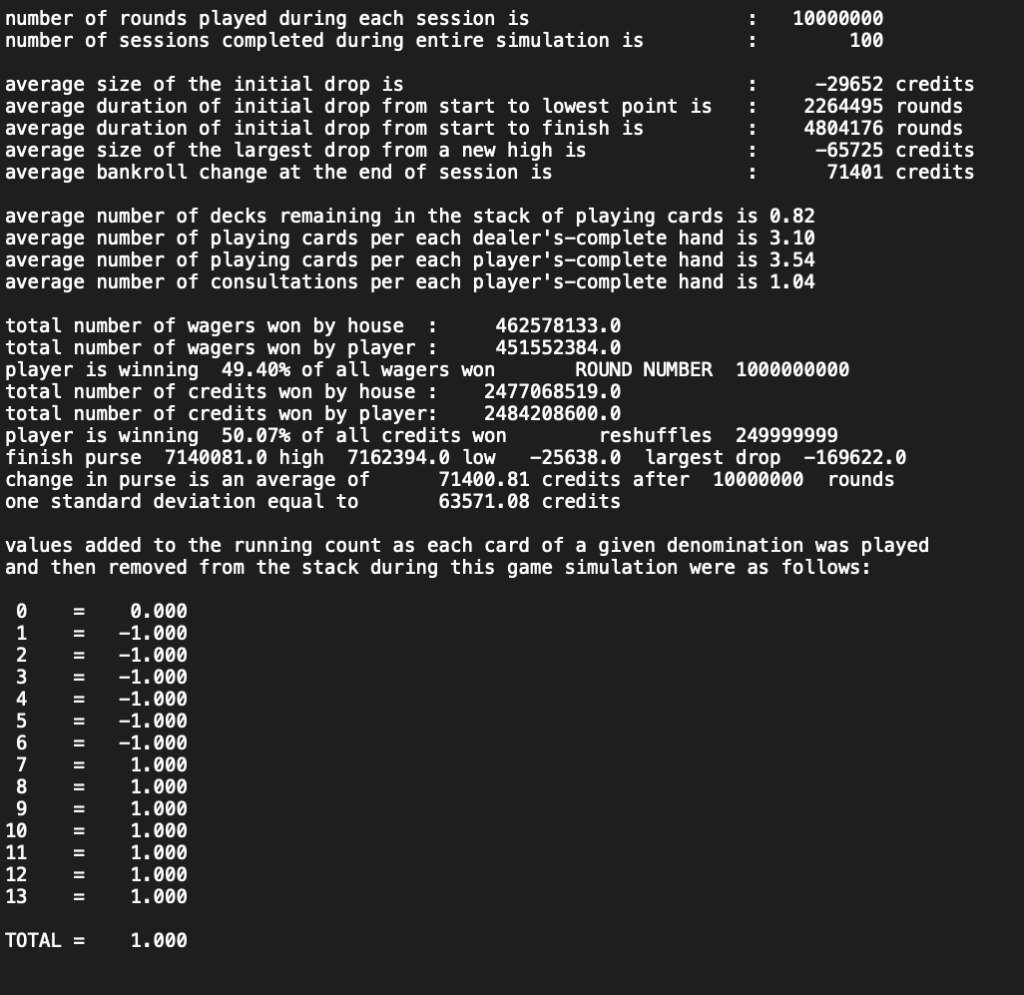
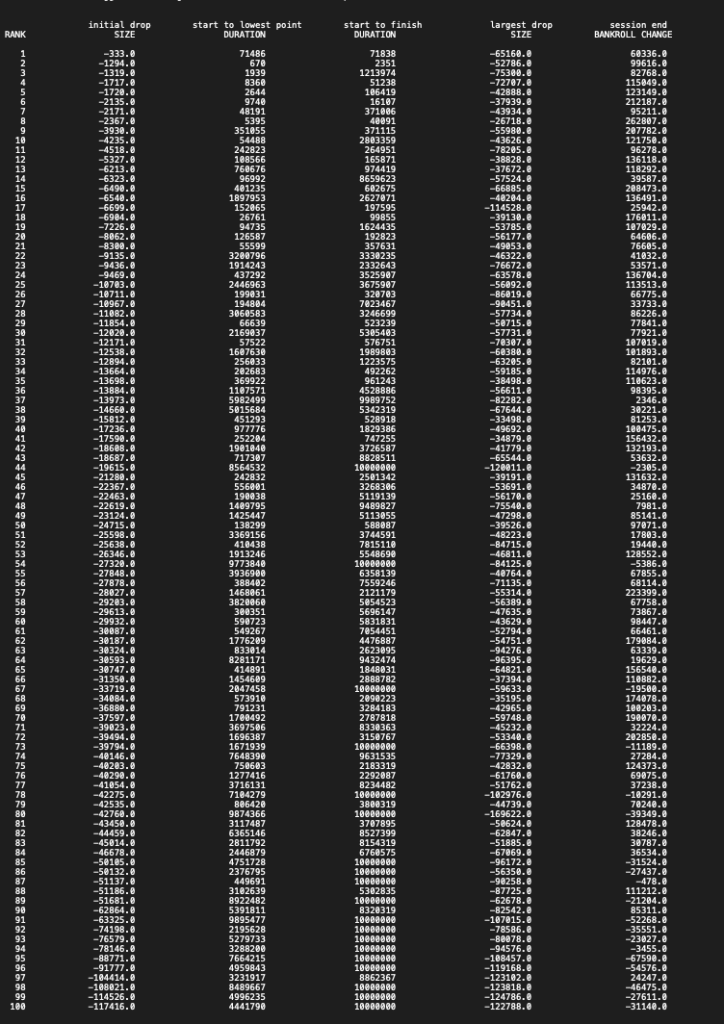
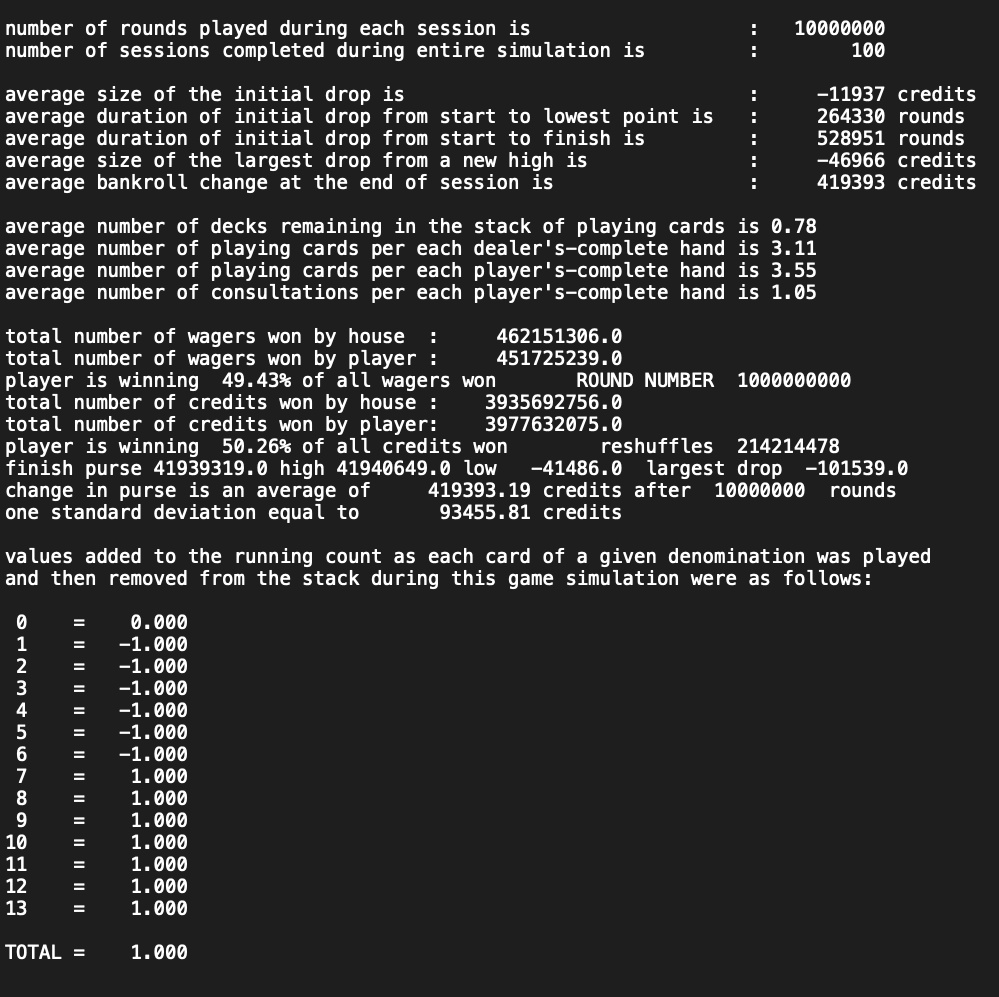

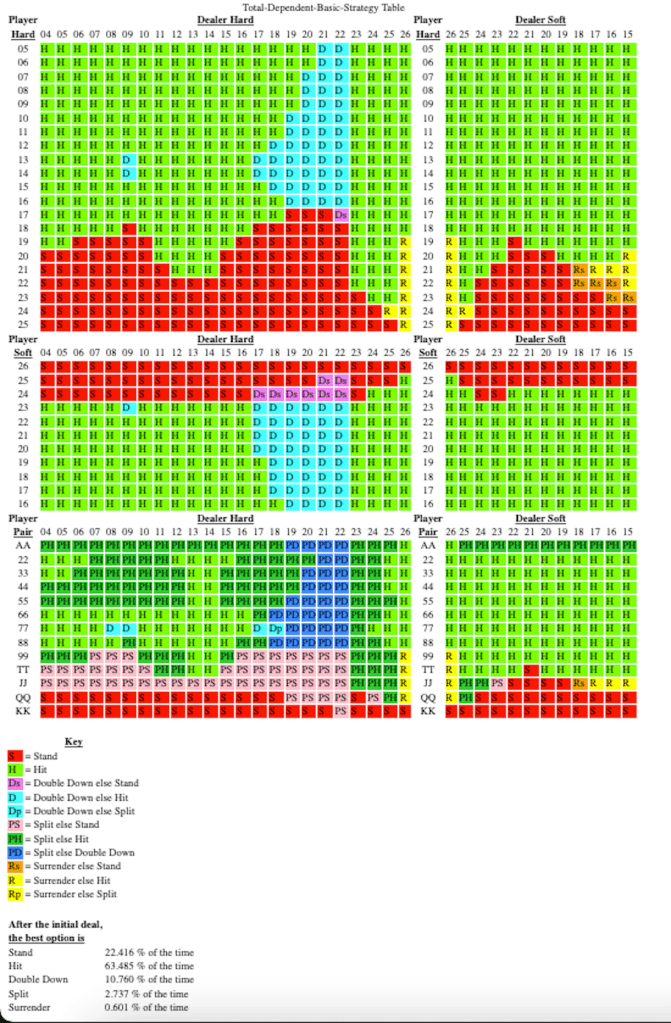


 Finnish 27